How to Choose the Best Burr Coffee Grinder for Perfectly Ground Beans?
Selecting the right burr coffee grinder is vital for coffee enthusiasts. A good grinder can enhance the taste and aroma of your coffee. Many people underestimate this equipment's importance. They may choose a cheaper option that leads to uneven grounds. This is a common mistake.
Burr coffee grinders come in two types: flat and conical. Each has its advantages and drawbacks. It's essential to know which one suits your brewing style. Some may prefer the consistency of flat grinders, while others may enjoy the versatility of conical ones. The materials used also matter; stainless steel often provides durability.
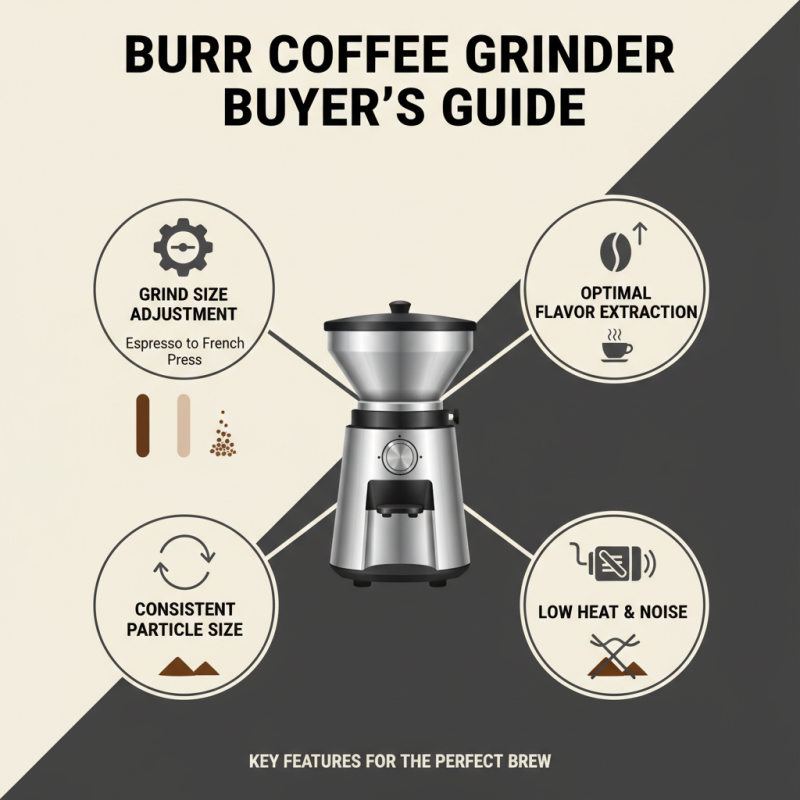
Pay attention to the grind settings available. A better burr coffee grinder offers versatile grind options. Finding the right setting can be tricky. You may have to experiment a bit to find what works best for you. This exploration is part of the journey. Understanding your preferences is key to enjoying a perfect cup of coffee.

Understanding Burr Coffee Grinders: Types and Mechanisms
Burr coffee grinders are essential for coffee lovers who want to elevate their brewing experience. They use two revolving surfaces to crush the beans, ensuring uniformity in size. This consistency leads to better extraction during brewing. However, not all burr grinders are created equal. Understanding the types and mechanisms is crucial for making the right choice.
There are two primary types of burr grinders: flat and conical. Flat burrs offer a precise grind size but can generate more heat. Conical burrs are less messy and more forgiving with different beans. Each type has its pros and cons. Conical grinders may seem easier to clean, but they can struggle with oily beans. Flat grinders provide uniformity, yet they may not be suitable for everyone.
Take your time when choosing a grinder. The size of the grind impacts flavor significantly. Coarse grinds work well for French press, while fine grinds suit espresso. Experimenting with settings may lead to mistakes, but those missteps can teach you valuable lessons. Understanding your taste and brewing method will guide your choice.
How to Choose the Best Burr Coffee Grinder for Perfectly Ground Beans?
| Type |
Mechanism |
Grind Settings |
Material |
Price Range |
| Flat Burr |
Two parallel flat grinding blades |
15-20 settings |
Stainless Steel |
$100 - $500 |
| Conical Burr |
A cone-shaped burr inside a cylindrical burr |
10-18 settings |
Ceramic or Steel |
$70 - $400 |
| Manual Burr |
Hand-cranked with burrs |
Minimal settings |
Stainless Steel or Ceramic |
$20 - $100 |
| Electric Burr |
Motor-driven burrs |
Varies widely, often 15-40 settings |
Steel |
$50 - $800 |
Assessing Grinding Consistency and Quality for Coffee Beans
When choosing a burr coffee grinder, consistency in grind size is essential. This impacts the extraction of flavors during brewing. A uniform grind leads to even extraction while irregular sizes can cause bitterness or sourness in your cup. Pay attention to the grinding settings available. Some grinders offer several options, allowing for customization based on your preferred brewing method.
Tips: Always test different grind sizes. Adjusting between medium and coarse settings might reveal flavors you didn’t expect.
Grinding quality varies significantly between models. Some grinders may produce fine powder while others yield larger particles. This inconsistency can easily ruin your coffee experience. Don’t rush into a buying decision—research reviews and user experiences before your purchase.
Tips: Consider trying a few samples first. Visit a local cafe that uses various grinders. Observe the grind and taste the coffee. This can provide insights on your preferences. Remember, not all grinders guarantee perfection. Learning and adapting is part of the process.
Grinding Consistency and Quality of Burr Coffee Grinders
Evaluating Price Points: Finding Value in Burr Coffee Grinders
When evaluating price points for burr coffee grinders, it's essential to find value in your purchase. High-end grinders often boast advanced features. However, are these features necessary for everyone? Many quality models exist at lower prices. They may lack some bells and whistles but still deliver consistent grind size. This balance is crucial for those on a budget.
Features like grinding speed and aesthetics often inflate prices. Some grinders have digital controls and timers, which sound appealing. Yet, a simpler manual option could provide the same results without the extra cost. Grinders made from durable materials can ensure longevity. It's wise to consider if the investment truly enhances your coffee routine.
Be open to evaluating used options as well. Second-hand grinders may carry some wear but can still perform excellently. Reflecting on your needs is vital. How often do you brew? If you’re brewing daily, maybe splurge a little. If not, a mid-range grinder might suffice. Ultimately, understanding what features matter most to you will lead to more satisfying choices.
Maintenance Tips for Longevity and Performance of Your Grinder
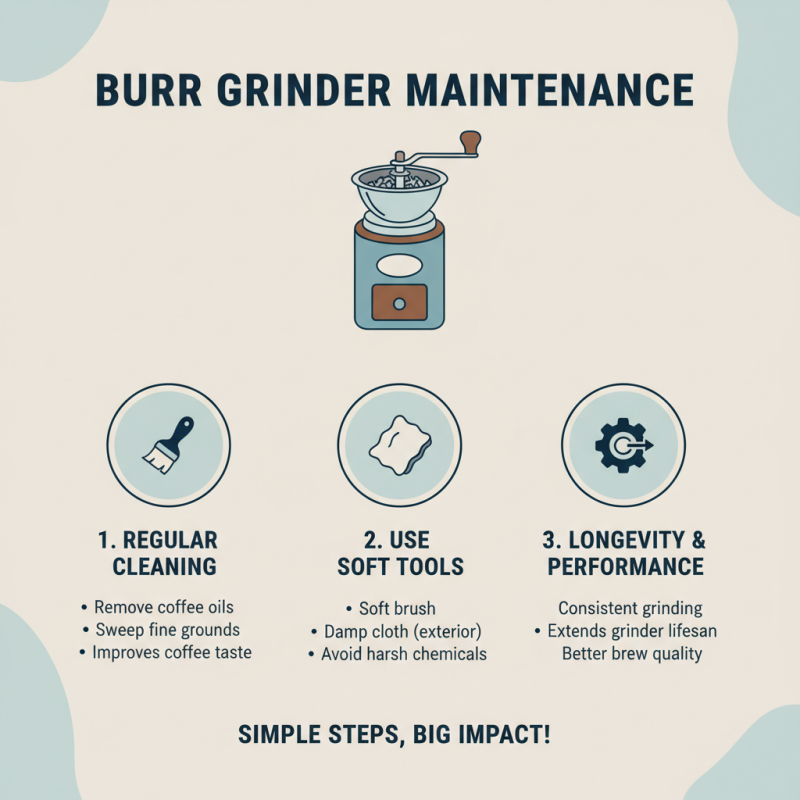
Proper maintenance is crucial for your burr coffee grinder's longevity and performance. Regularly clean the grinder to remove coffee oils and fine grounds. These can build up over time, affecting the taste of your brew. Use a soft brush or a cloth to wipe the interior. It's simple, yet many overlook this step.
Check the burrs for wear and tear. If they show signs of dullness, it’s time to replace them. Dull burrs can lead to uneven grinding. This can frustrate coffee lovers seeking the perfect cup. Moreover, ensure that the grinder is stored in a dry place. Humidity can impact the grinder’s functionality.
Lastly, calibration might be necessary. Sometimes, you need to adjust the grind size to enhance your brewing technique. Experiment with different settings. This trial and error can lead to improved flavors. Remember, no grinder is perfect. Embracing its quirks can enhance your overall coffee experience.