2026 How to Choose the Best Small Burr Grinder for Your Coffee
Choosing the right Small Burr Grinder can dramatically impact your coffee experience. According to the Specialty Coffee Association, 75% of coffee flavor comes from grind size. A quality grinder ensures consistency, releasing essential oils and aromas. In a market filled with options, finding the perfect balance of price, durability, and performance is paramount. Industry reports indicate that 60% of coffee enthusiasts prioritize grind quality.
A good Small Burr Grinder can elevate your brewing method. However, many buyers overlook factors such as material and design. Ceramic vs. stainless steel burrs can affect grind consistency. Each type has its pros and cons, requiring thoughtful consideration. Many users find themselves dissatisfied despite high expectations, underscoring the need for research and knowledge.
Selecting a Small Burr Grinder involves understanding your coffee preferences. User reviews often highlight the importance of grind settings and ease of cleaning. Finding a grinder that balances functionality with your lifestyle is essential. As you explore options, remember that even minor details can make a significant difference in your coffee journey.
Understanding the Basics of Burr Grinders and Their Importance in Coffee
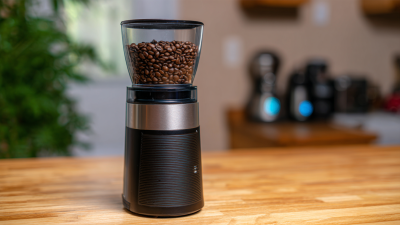
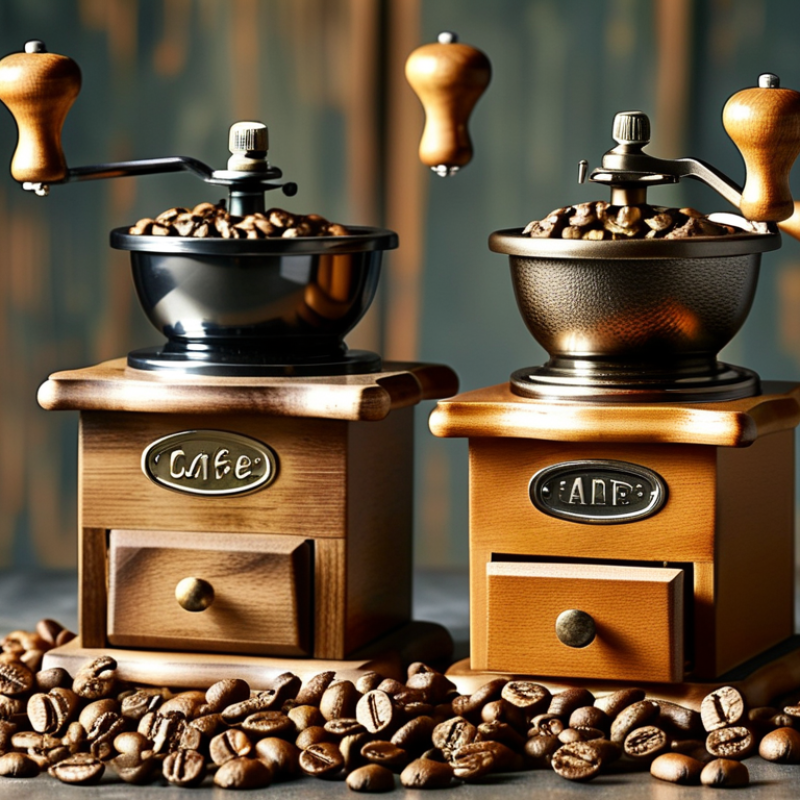
Choosing the right burr grinder can greatly influence your coffee experience. Understanding the basics of burr grinders is essential for coffee enthusiasts. Burr grinders differ from blade grinders by offering a consistent grind size. This uniformity is crucial for brewing methods. When coffee grounds are uneven, they can lead to over-extraction or under-extraction. This affects flavor and aroma, making it vital to invest in quality grinding equipment.
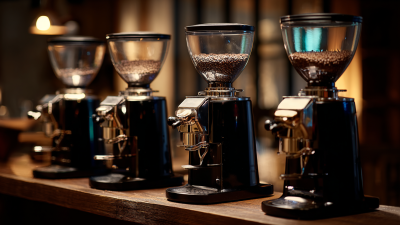
There are two main types of burr grinders: flat and conical. Both have their pros and cons. Flat burrs provide a uniform grind but can generate more heat. Conical burrs tend to retain less coffee and operate cooler, preserving flavor. The choice often depends on personal preference and brewing methods. Testing different grinders can be insightful. You might discover what works best for your taste.
Understand that not every grinder is perfect. Some may produce static cling, making it hard to handle grounds. Others may require frequent adjustments. Embrace the journey of finding your ideal grinder. Experimentation is part of the process. Learning what you like can help refine your coffee-making skills. Each cup is an opportunity for improvement.
2026 How to Choose the Best Small Burr Grinder for Your Coffee - Understanding the Basics of Burr Grinders and Their Importance in Coffee
| Feature |
Importance |
Recommendation |
| Grind Settings |
Allows you to customize grind size for different brewing methods. |
Look for multiple settings suitable for espresso, drip, and French press. |
| Burr Type |
Flat or conical burrs provide consistent grind size, critical for flavor. |
Conical burrs are often recommended for home use. |
| Capacity |
The amount of coffee you can grind at once. |
Choose based on your daily coffee consumption. |
| Ease of Cleaning |
Affects maintenance and ensures freshness in every grind. |
Models with removable parts are easier to clean. |
| Price |
Budget consideration for quality versus affordability. |
Aim for a balance of quality and value. |
| Durability |
Longevity of the grinder will save costs long term. |
Look for materials like stainless steel. |
Key Features to Look for in a Small Burr Grinder
When selecting a small burr grinder, it's essential to focus on key features that enhance your coffee experience. The grind size adjustment is crucial. Look for grinders that allow precise control. Consistent grind sizes create better flavor extraction. Many small grinders offer multiple settings. However, finding the right one can be tricky. Not all grinders offer a fine enough range.
Another important feature is the build quality. A durable grinder feels solid and operates smoothly. Consider materials used in construction. Stainless steel burrs tend to be more efficient than ceramic ones. However, ceramic burrs can sometimes provide a unique flavor profile. It’s a matter of personal preference. Pay attention to the noise level as well. Some grinders can be surprisingly loud. If you're sensitive to noise, look for options that prioritize quiet operation.
Lastly, consider capacity. Compact grinders often hold a smaller amount of beans. This is great for single servings but not ideal for larger batches. Some users may find themselves refilling frequently. It’s useful to weigh the need for size against the convenience of capacity. Every feature has its pros and cons. Thoughtful evaluation is necessary to choose wisely.
Comparing Different Grinding Settings and Their Impact on Flavor
When selecting a small burr grinder, the grinding settings play a crucial role in your coffee's flavor profile. Different grind sizes profoundly affect extraction rates. For instance, a coarse grind is ideal for French press, while a fine grind suits espresso. However, many overlook how this choice can alter their brew. The wrong grind could lead to over-extraction or under-extraction, resulting in bitter or weak coffee.
Consider experimenting with medium grind settings. They strike a balance, enhancing aroma and taste without overwhelming bitterness. Yet, it's important to remember that not every grind will meet your palate's expectations. Personal taste varies widely. What one person finds delightful, another might deem too intense. Taste testing remains essential to refine your preferences.
Investing time in understanding grinding settings pays off. It can transform your daily coffee ritual into an enriching experience. Begin with small adjustments and keep notes. Reflect on each brew to discover what resonates. Embrace the imperfections in your journey. Each grind will teach you more about your unique coffee style.
Evaluating Build Quality, Size, and Portability of Small Burr Grinders
When selecting a small burr grinder, build quality is paramount. The materials used can greatly affect durability. Studies show that steel burrs typically outperform ceramic ones in longevity. A well-constructed grinder resists wear and guarantees a consistent grind for years. Look for grinders with metal housings; they tend to withstand daily use better than plastic alternatives.
Size and portability are also vital. A compact design fits easily on kitchen counters or in storage spaces. Research indicates that most coffee enthusiasts prefer grinders under 12 inches tall for easy handling. However, smaller models may compromise on capacity. Consider your coffee consumption habits when choosing a grinder. Weigh the trade-offs: Is the convenience worth the limited capacity?
Ultimately, these factors influence not only performance but also user satisfaction. While many look for an affordable option, spending slightly more for durability and size might pay off in the long run. Finding the right balance can elevate your coffee experience significantly.
Comparison of Small Burr Grinder Features
Budget Considerations: Finding the Best Value for Your Coffee Grinding Needs
When choosing a small burr grinder, budget considerations are key. Finding the best value is essential to meet your coffee grinding needs. A survey by the Specialty Coffee Association reported that nearly 30% of coffee drinkers prioritize grinder quality over price. Investing in a good grinder can enhance the overall coffee experience. However, many consumers overlook the connection between grinder performance and bean freshness.
Think about the power and settings of the grinder. A model with a good range of grind settings may cost more upfront but will provide better versatility. Research shows that burr grinders evenly produce grind size. This consistency is crucial for extracting the best flavors from your beans. A grinder that provides a uniform texture will improve your brewing results significantly.
Tip: Look for grinders that offer adjustable grind settings without breaking the bank. Research user reviews to gauge long-term performance and durability.
Ultimately, value does not always mean lower cost. Sometimes, opting for an affordable option may lead to the need for updates sooner than expected. Prioritize quality features that align with your coffee routine. Balancing price and performance is an ongoing challenge for many coffee enthusiasts.