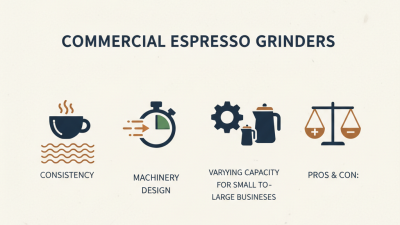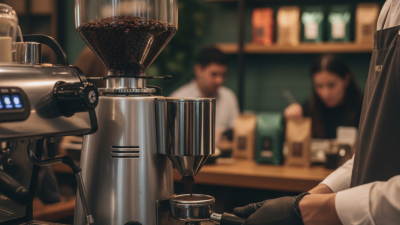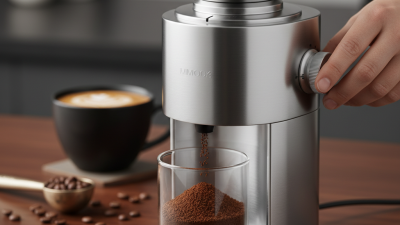
Choosing the right Commercial Espresso Grinder is crucial for any coffee business. Expert barista and coffee consultant, Mark Smith, emphasizes, “A great grinder is the heart of exceptional espresso.” This industry insight underlines the importance of selecting equipment that ensures consistency and quality in each cup.
When looking for a Commercial Espresso Grinder, consider factors like grind size and consistency. Different coffee beans require specific grind settings to extract the best flavors. A grinder that doesn’t meet these needs can lead to poor coffee quality. It’s essential to evaluate how the equipment aligns with your business model and customer preferences.
Investing in a reliable Commercial Espresso Grinder not only affects taste but also efficiency. Maintenance and durability are key considerations. If the grinder frequently breaks down, it reflects poorly on your business. Remember, the right choice can elevate your espresso offerings and enhance customer satisfaction.
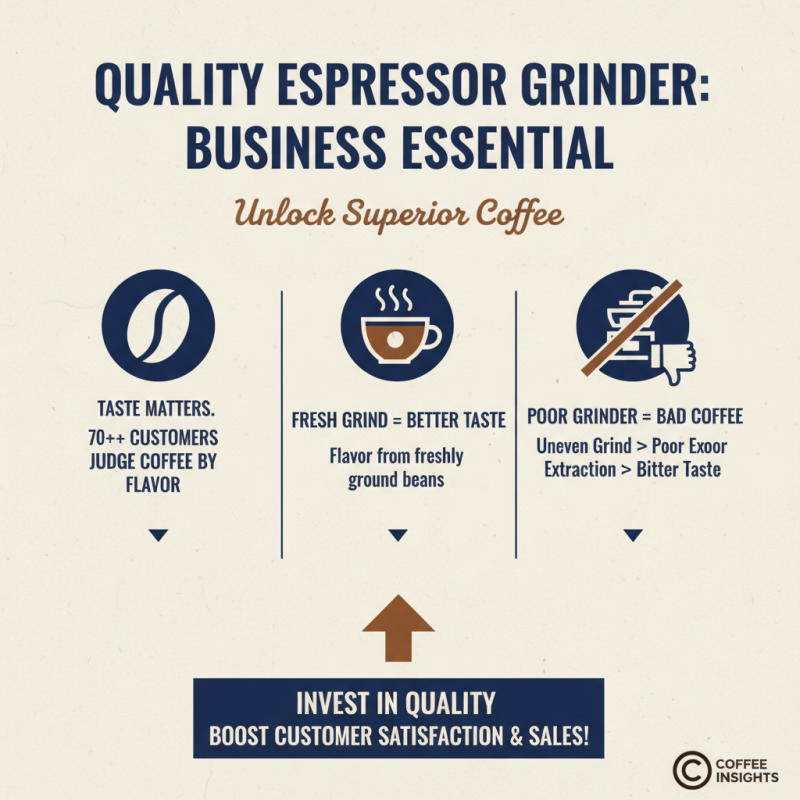
In the coffee industry, a quality espresso grinder is often overlooked, yet it is essential for business success. Research indicates that over 70% of customers judge coffee by its taste. A substantial part of this flavor is derived from freshly ground coffee. An inadequate grinder may lead to uneven grinds, affecting extraction and ultimately, taste.
Moreover, a report by the Specialty Coffee Association highlights that consistent grind size is critical for optimal extraction. For businesses, this means investing in equipment that delivers uniform grinds. Many shops still use inferior grinders, hindering their product quality. This could be a costly mistake, as customer loyalty depends on a superior cafe experience.
It's also worth noting that performance and durability are paramount for commercial settings. Equipment that breaks down frequently adds stress to operations. According to industry statistics, 25% of cafes see profit loss due to equipment failures. Businesses need to consider long-term value when selecting an espresso grinder. Balancing cost with quality is key.
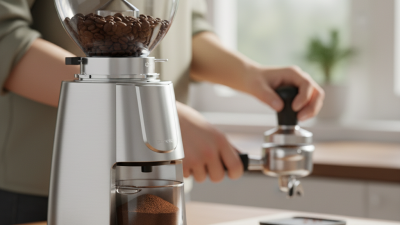
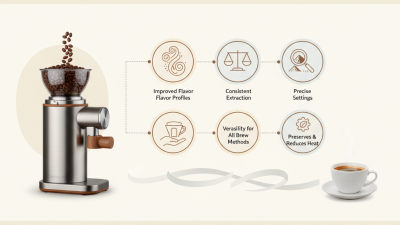
When selecting a commercial espresso grinder, several key features are crucial for optimal performance. Grind consistency ranks at the top. A grinder with precise adjustments allows baristas to fine-tune grind size for various espresso types. According to a 2023 industry report, the right grind size can enhance flavor extraction by up to 20%. This highlights the importance of a reliable grinder.
Another important aspect is the grinder's speed and power. Fast grinders can handle higher volumes, which is essential during peak hours. For instance, a high-capacity grinder can process over 20 grams of coffee in about 10 seconds. However, speed shouldn't compromise the grind quality. Many businesses struggle with balancing speed and precision, leading to inconsistent shots.
Durability is also a vital feature. Espresso grinders face constant use and require materials that withstand wear. Grinders made from high-quality steel can endure this demand. Regular maintenance is necessary, but even the best can falter over time. Choosing a grinder that allows easy access for cleaning can mitigate some of these issues. A thoughtful choice considers both immediate performance and long-term reliability.
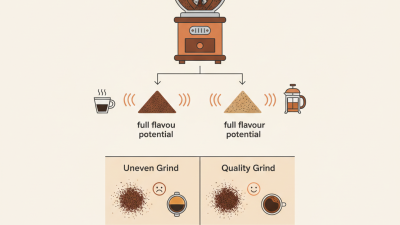
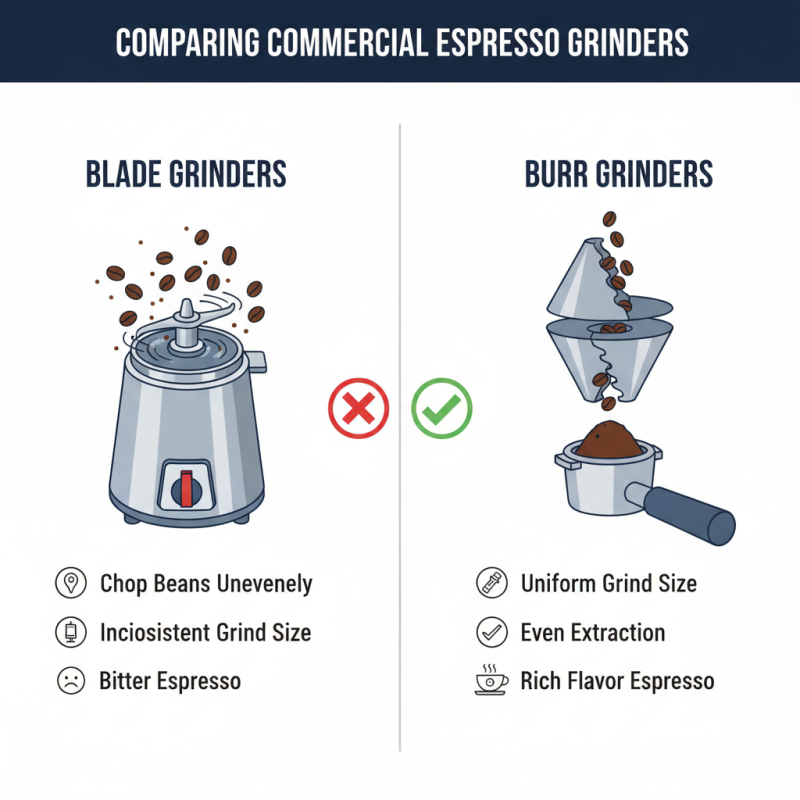
When comparing different types of commercial espresso grinders, it's essential to understand their unique features. Blade grinders chop beans unevenly, affecting grind consistency. This can lead to bitter espresso shots. Burr grinders, on the other hand, provide a uniform grind size. They are key for extracting the rich flavors hidden in coffee beans.
There are two main types of burr grinders: flat and conical. Flat burrs often produce a more consistent grind but can generate more heat, impacting flavor. Conical burrs are gentler, especially on oils in beans, which can enhance taste. Choosing between these options involves weighing consistency against flavor preservation.
In addition, consider the grinder's capacity. Higher volume businesses may need larger hoppers to keep up with demand. Some grinders can be quite noisy, which may affect the ambiance in a café setting. Opting for a quieter model could be worth the investment. Lastly, think about the grind adjustment process. Some grinders allow for quick adjustments, which is helpful when experimenting with different beans or roast levels. Make sure the grinder feels right for your business's needs.
Choosing the right size of commercial espresso grinder relies heavily on your business volume. Assessing this is crucial for efficiency and customer satisfaction. For a small café serving a few dozen drinks daily, a compact grinder may suffice. However, high-traffic establishments need robust machines capable of handling more beans quickly.
Consider how many espressos you expect to serve hour by hour. If business peaks at lunchtime, your grinder should keep pace without delay. A grinder's output is often measured in grams per second. Take note of this metric, as it directly influences your workflow. Investing in a grinder that can't meet your demands can lead to frustrating bottlenecks.
Reflect on your specific needs. An oversized grinder can waste resources and space. Conversely, an undersized grinder can hinder service speed. Check for features that enhance performance, like precise grind settings. Customer preferences can change throughout the day. Be ready to adjust your equipment needs based on evolving business patterns.
When selecting a commercial espresso grinder, budget is often a significant concern. A quality grinder can range from $500 to over $2,000. According to industry reports, businesses should anticipate spending around 5% of their total equipment budget on espresso grinding machines. This allocation reflects the essential role of grinders in maximizing coffee extraction and ensuring flavor consistency.
Understanding your volume needs is crucial. Shops with lower daily traffic might find grinders in the $500 to $1,000 range sufficient. However, high-demand establishments may need premium grinders costing more than $1,500. These higher-end models often provide better durability and grind consistency, which can translate to better beverage quality. Careful consideration of daily coffee output can help in making a more informed choice.
Price does not always equate to quality, and sometimes even more affordable models deliver excellent results. Evaluating user reviews and consulting with industry professionals can provide insights. Remember, investing in a grinder is also about the overall customer experience. A poorly matched grinder can lead to inconsistencies, which might deter customers and hurt your brand reputation. Seek balance between your budget and the grinder’s ability to produce excellent espresso.
| Grinder Type | Price Range ($) | Grinding Capacity (kg/h) | Grind Settings | Features |
|---|---|---|---|---|
| Flat Burr Grinder | $500 - $800 | 2 - 5 | Stepless | Uniform Grind, Durable |
| Conical Burr Grinder | $400 - $700 | 1 - 4 | Multi-step | Less Retained Coffee, Quiet |
| Automatic Grinder | $800 - $1500 | 5 - 10 | Programmable | Time-saving, Consistent Grind |
| Manual Grinder | $50 - $150 | 0.3 - 1 | Variable | Portable, No Electricity Needed |