What is a Coffee Bean Grinder and How Does It Work?
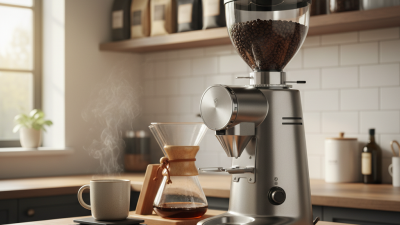
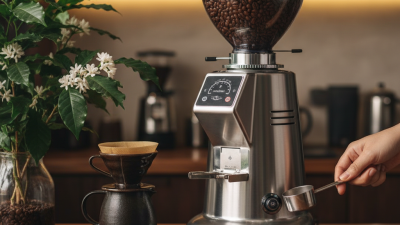
A Coffee Bean Grinder is essential for coffee lovers. This device transforms coffee beans into a ground form for brewing. David Schomer, a renowned coffee expert, once said, “Freshly ground coffee beans unlock the full flavor potential.” His statement highlights the importance of using a Coffee Bean Grinder.
When you grind coffee beans, two main factors come into play: grind size and consistency. Different brewing methods require specific grind textures. For example, espresso needs a fine grind, while a French press requires a coarse grind. This diversity can seem overwhelming at first. However, understanding the relationship between your grinder and brewing technique is vital.
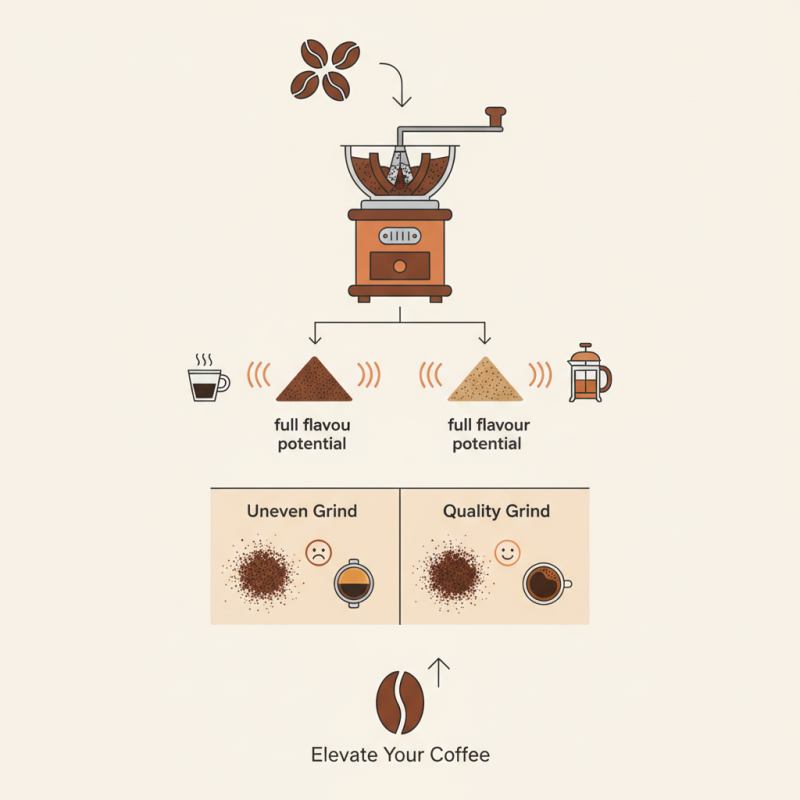
Many people overlook the significance of using a quality Coffee Bean Grinder. Some grinders produce uneven grinds, leading to a less desirable tasting experience. This inconsistency can be frustrating. It reminds us that even small equipment choices affect our coffee quality. Investing in a good grinder can elevate your coffee game significantly.
What is a Coffee Bean Grinder?
A coffee bean grinder is a crucial tool for any coffee lover. It transforms whole coffee beans into a fine or coarse powder, depending on your brewing method. Grinding fresh beans reveals their rich aromas and flavors. This process enhances the overall coffee experience.
Choosing the right grind size can be tricky. A coarse grind may suit a French press, while a fine grind works best for espresso. Experimenting with different sizes can help you find your ideal cup. Remember, not all grinders produce uniform grinds. This can affect the taste negatively.
Tips: Clean your grinder regularly to maintain its performance. Old coffee residues can alter the flavor of your fresh grounds. Also, consider grinding beans just before brewing for the best flavor. Keep in mind that using too much coffee can lead to bitterness. Balance is key for the perfect brew.
What is a Coffee Bean Grinder and How Does It Work?
| Grinder Type |
Mechanism |
Grind Size |
Price Range |
Best For |
| Blade Grinder |
Sharp blades chop beans |
Coarse to fine |
$15 - $50 |
Quick grinding |
| Burr Grinder |
Two revolving abrasive surfaces |
Uniform fine |
$30 - $300 |
Precision grinding |
| Manual Grinder |
Hand-cranked grinding |
Coarse to medium |
$20 - $100 |
Travel-friendly |
| Electric Grinder |
Electric motor-driven grinding |
Fine to coarse |
$50 - $500 |
Convenience and speed |
Types of Coffee Bean Grinders: An Overview
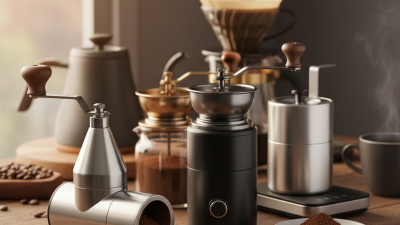
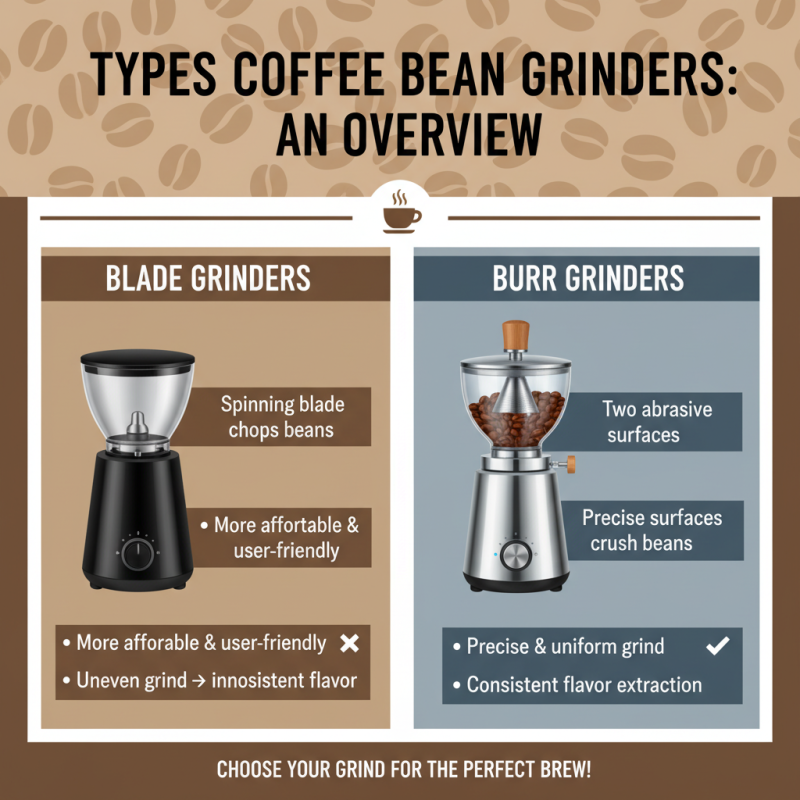
When it comes to coffee bean grinders, there are several types to consider. These grinders vary widely in design and functionality. The two main types are blade grinders and burr grinders. Blade grinders use a spinning blade to chop beans. They are usually more affordable and user-friendly. However, they can produce uneven grinds. This inconsistency can affect the flavor of your coffee.
Burr grinders, on the other hand, use two revolving surfaces to crush coffee beans. This method provides a more uniform grind size. Burr grinders are preferred by coffee enthusiasts for their precision. However, they are generally more expensive. You'll find them in both manual and electric models.
Tips for choosing a grinder: Consider how often you brew coffee. If you drink it daily, investing in a good burr grinder may pay off. For occasional users, a simple blade grinder might suffice. Don't forget to clean your grinder regularly. A buildup of old grounds can spoil the taste of your fresh coffee.
How Coffee Bean Grinders Function Mechanically
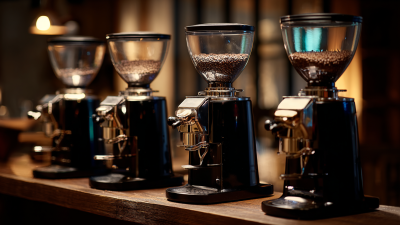
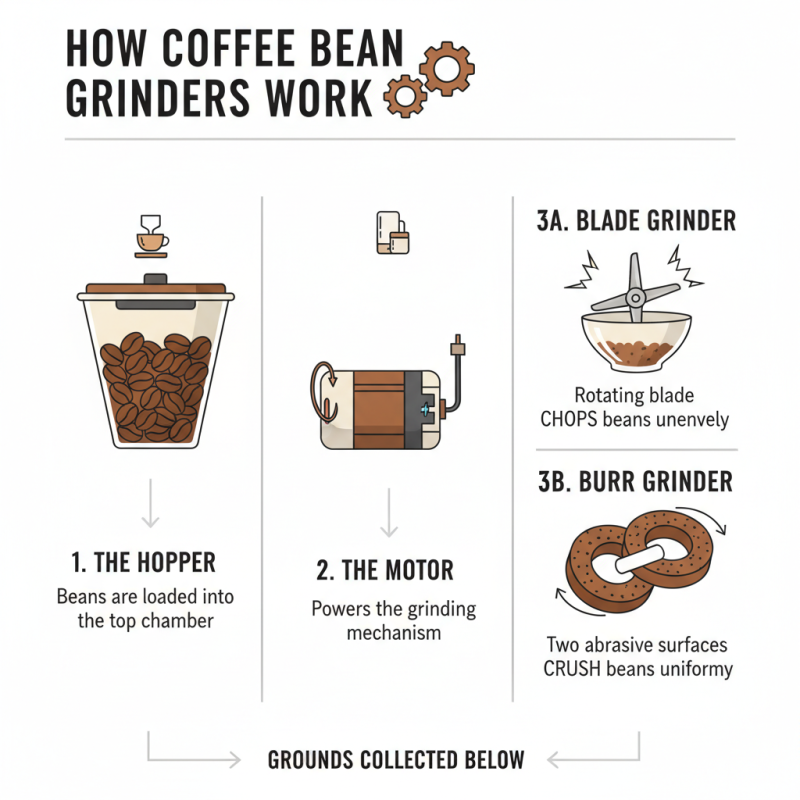
A coffee bean grinder is a vital tool for coffee enthusiasts. Understanding how these grinders function mechanically can enhance your brewing experience. The grinding process begins when coffee beans are placed into the hopper. Once activated, the motor drives the grinding mechanism. This mechanism can be either a blade or a burr.
Blade grinders chop beans quickly using sharp blades. They can produce uneven grind sizes. This inconsistency affects extraction. Some might find the flavor lacking due to the variation. Burr grinders, on the other hand, crush beans between two surfaces. This method ensures a more uniform grind. It's preferable for various brewing methods.
The mechanical components may vary in complexity. However, many grinders have adjustable settings. This allows users to customize grind size. Despite the advancements, some grinders can overheat. Users should be mindful of this to avoid flavor loss. Regular maintenance is essential. A well-maintained grinder performs better and enhances the coffee experience.
Factors to Consider When Choosing a Grinder
When choosing a coffee bean grinder, several factors come into play. The grinder type matters greatly.
Blade grinders chop beans quickly, but consistency can suffer.
Burr grinders provide a more uniform grind, essential for flavor extraction. Some prefer
manual grinders for the tactile experience. Think about what fits your needs best.
Blade size also affects the grind. A larger blade may mean faster grinding, but it doesn’t always yield better results.
Consider your brewing method. For example, espresso requires a fine grind.
Drip coffee needs a coarser texture. Your choice should align with your preferred
brewing style.
Tips to keep in mind: Always clean your grinder between uses. Residue from previous grinds can alter
the flavor. Experiment with grind sizes. Small adjustments can lead to big taste changes. Remember, coffee grinding can be an art.
Perfection isn’t always the goal; enjoy the process and learn from each cup.
Tips for Maintaining Your Coffee Bean Grinder
Maintaining your coffee bean grinder is crucial for consistent flavor. Experts suggest that regular cleaning can enhance the grinder's lifespan. Coffee oils and residue build up quickly. This can lead to rancid flavors in your brew. A study from the Specialty Coffee Association revealed that improper maintenance can reduce grinding efficiency by 20%.
To clean your grinder, disassemble it carefully. Use a soft brush to remove grounds. Pay attention to the burrs; they are vital for even grinding. According to a report by the European Coffee Symposium, 75% of coffee enthusiasts do not clean their grinders regularly. This oversight can change the taste profile of your coffee significantly.
Check the grinder's settings too. Calibration matters. An uncalibrated grinder can lead to inconsistent particle sizes. Research indicates that grind size affects extraction rates by as much as 30%. Aim for a grind consistency that matches your brewing method. Reflect on your coffee experience. Insufficient maintenance may be holding you back from that perfect cup.