10 Essential Tips for Choosing the Best Mini Coffee Grinder
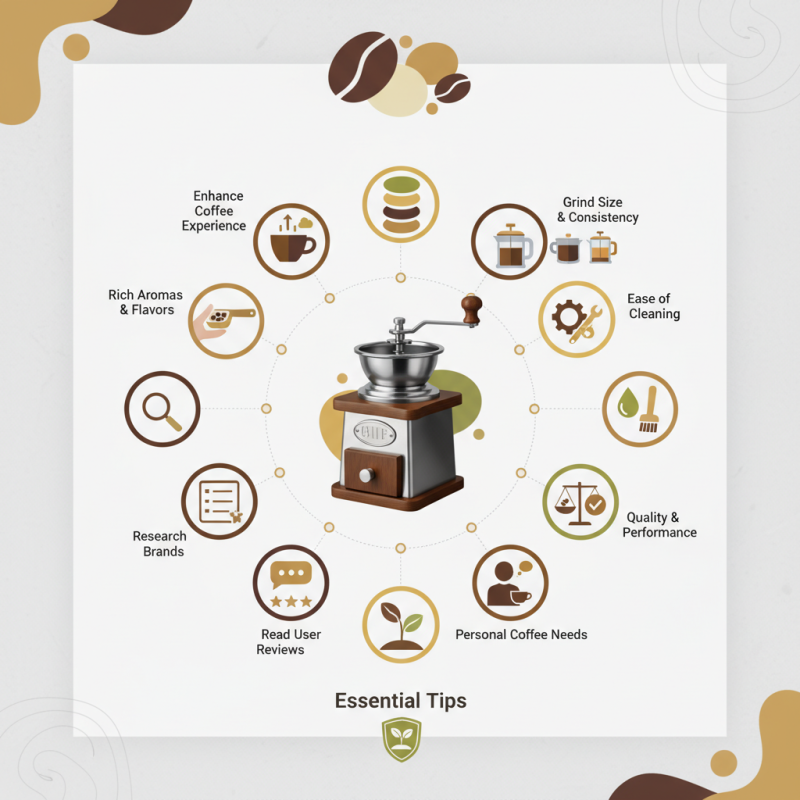
Choosing the right Mini Coffee Grinder can significantly enhance your coffee experience. With numerous options available, making the right choice is crucial. A good grinder can unlock the rich aromas and flavors of your beans.
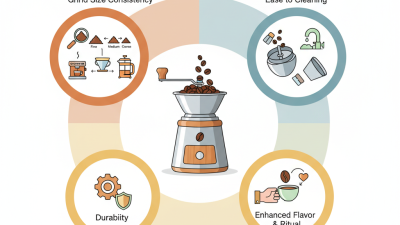
When selecting a Mini Coffee Grinder, consider your preference for grind size and consistency. Some models offer multiple settings, allowing you to adjust for espresso or French press. This versatility can lead to better coffee. However, not every grinder provides the same results, and some may even produce uneven grinds.
Durability and ease of cleaning are also important factors. A high-quality grinder should withstand daily use. Additionally, it's essential to invest time in researching brands and reading user reviews. Blindly choosing a model may lead to frustration down the line. Remember, the right Mini Coffee Grinder is a balance of quality, performance, and your personal coffee needs.
Understanding the Different Types of Mini Coffee Grinders
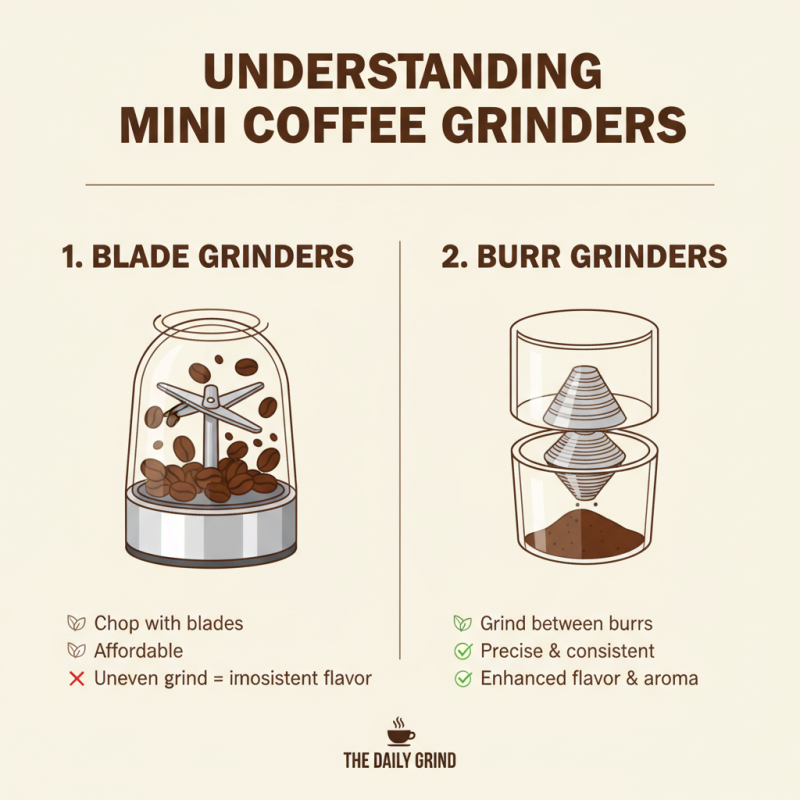
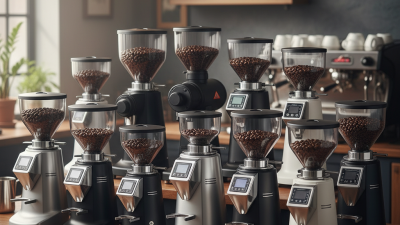
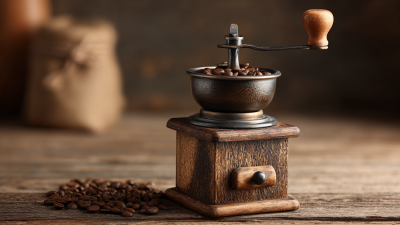
Selecting the right mini coffee grinder requires knowledge of the different types available. There are generally two main types: blade grinders and burr grinders. Blade grinders use sharp blades to chop the coffee beans. They are often more affordable but might produce uneven grind sizes. This can affect the flavor and aroma of your coffee.
Burr grinders, on the other hand, provide a more consistent grind. They use two revolving surfaces to crush the beans evenly. While they tend to be pricier, the investment often pays off with better-tasting coffee. Some grinders allow for adjustable settings, which give you control over the coarseness. This feature is essential if you experiment with different brewing methods.
It's important to consider your brewing preferences when choosing a grinder. If you drink espresso, a fine grind is crucial. A coarser grind would suit French press drinkers better. Each type of grinder has its pros and cons. Understanding these differences can help refine your coffee experience. Reflect on your priorities: budget, grind quality, or ease of use. This will guide you to make a more informed choice.
Key Features to Look for in a Mini Coffee Grinder
When looking for a mini coffee grinder, several key features play a crucial role in its performance. The grind size is essential. A grinder offering various grind settings allows for tailored coffee experiences. This adaptability can significantly enhance brewing results. A study from the Specialty Coffee Association indicates that grind consistency affects extraction and flavor.
The type of grinder matters too. Burr grinders are often recommended for their ability to produce uniform particle sizes. On the other hand, blade grinders can lead to uneven grinds, which may affect the taste of the coffee. According to research from the National Coffee Association, uneven grinds can cause bitterness or sourness.
Another aspect to consider is the capacity. Mini grinders are compact, but some models hold more beans than others. Aiming for a model that can handle 20-30 grams can be beneficial for both single servings and shared brews. Additionally, easy cleaning features are also critical. Coffee oil buildup can alter flavors and brewing efficiency. Regular maintenance is necessary for consistent performance. While not every mini grinder excels in all these areas, identifying a model that balances these factors can lead to a more satisfying coffee experience.
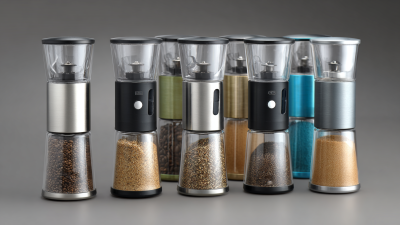
Top 10 Key Features to Consider When Choosing a Mini Coffee Grinder
Assessing Grind Size Settings for Your Brewing Preferences
When selecting a mini coffee grinder, understanding grind size settings is crucial for achieving your ideal brew. A recent study by the Specialty Coffee Association indicates that approximately 60% of coffee drinkers prioritize grind size while brewing. This ratio shows that many enthusiasts recognize its importance in flavor extraction.
Different brewing methods require specific grind sizes. For instance, a coarse grind is preferred for French presses, as it allows for sufficient water contact time without over-extraction. In contrast, an espresso machine necessitates a fine grind to optimize pressure and speed. The variability in grind sizes can impact flavor profiles significantly. According to research, grind size discrepancies can lead to up to a 30% variance in taste.
However, not all grinders offer precise settings. Some may have limited options, leading to a trial-and-error approach. This method, while adventurous, can result in inconsistent brews. A reliable grinder should ideally offer at least a few grind settings to cater to different preferences. If it doesn't, you may find yourself stuck with a single grind size that doesn't suit your favorite preparation method.
Evaluating Durability and Build Quality of Mini Coffee Grinders
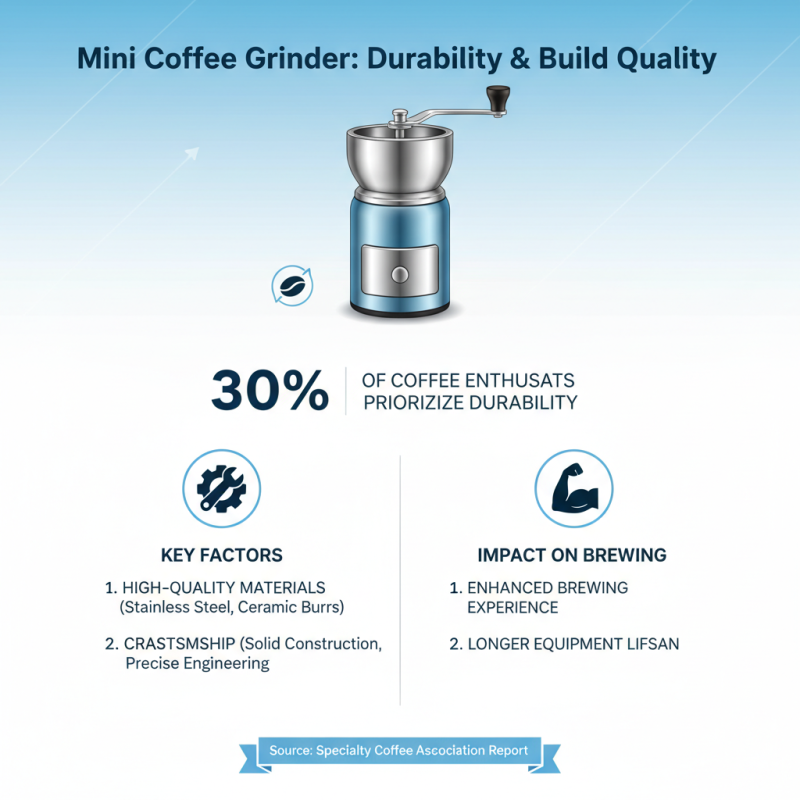
When choosing a mini coffee grinder, evaluating durability and build quality is crucial. A well-constructed grinder can significantly enhance your brewing experience. According to a report from the Specialty Coffee Association, about 30% of coffee enthusiasts prioritize durability when selecting coffee equipment. This statistic highlights the importance of high-quality materials and craftsmanship in a grinder.
Stainless steel is a common material in many mini grinders. It resists rust and wear, ensuring longevity. Porcelain or hardened steel burrs can also provide consistent grind quality over time. However, some grinders use low-quality plastic parts that can break easily. It's important to inspect these components before purchase. If they feel flimsy, continue your search.
Additionally, consider the weight of the grinder. A heavier model often indicates sturdier materials. Many users, however, prefer lightweight options for portability. This desire can lead to compromises in build quality. One common mistake is overlooking user reviews about durability. Feedback from other coffee lovers can provide essential insights into potential issues. A blend of personal experience and research is crucial for making an informed choice.
Comparing Price Points: Finding the Right Balance for Budget and Quality
When diving into the world of mini coffee grinders, finding the right balance between price and quality is crucial. Many consumers hesitate when choosing a grinder, given the range of options available. A report by the Specialty Coffee Association indicates that a grinder can significantly influence the flavor profile of your coffee. Investing in a good grinder often yields better-tasting brews. A quality mini grinder typically ranges between $20 to $100.
Consideration of budget is important. A budget-friendly model may cost less, but it can compromise on durability and grind consistency. According to industry data, consumer reviews show that cheaper grinders frequently lack fine settings, which can lead to uneven extraction. This inconsistency affects caffeine extraction, potentially diminishing your coffee experience. Sometimes, spending a bit more upfront could lead to savings down the line.
Moreover, different grinders feature various materials and technologies. Steel and ceramic burrs, for instance, are common, but they come at different price points. The average lifespan of these materials varies. Users often report that ceramic burrs tend to chip over time but offer uniform grinds. Conversely, steel burrs may maintain their performance better, presenting a valuable trade-off for those willing to invest. Assessing long-term use versus initial cost can help clarify decisions in your coffee journey.
10 Essential Tips for Choosing the Best Mini Coffee Grinder - Comparing Price Points: Finding the Right Balance for Budget and Quality
| Grinder Type |
Price Range |
Grind Consistency |
Ease of Use |
Material Quality |
Cleaning Ease |
| Blade Grinder |
$20 - $50 |
Medium |
Easy |
Good |
Very Easy |
| Burr Grinder |
$30 - $100 |
High |
Moderate |
Excellent |
Moderately Easy |
| Manual Grinder |
$15 - $60 |
Good |
Easy |
Good |
Very Easy |
| Electric Grinder |
$40 - $200 |
Very High |
Easy |
Excellent |
Moderate |
| Portable Grinder |
$25 - $70 |
Medium |
Very Easy |
Good |
Very Easy |