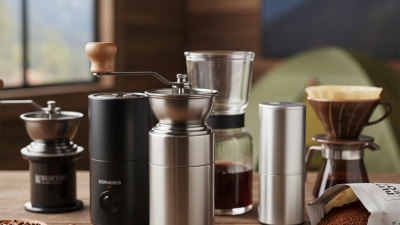
2026 How to Choose the Best Conical Burr Grinder?
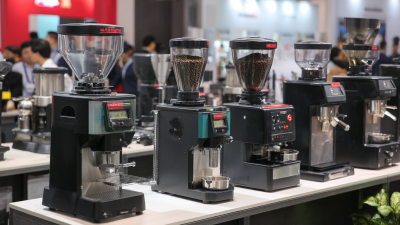
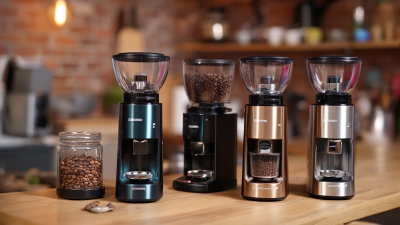
When selecting the right Conical Burr Grinder, the decision can feel overwhelming. The market is saturated with options, each boasting unique features. It’s essential to understand what truly matters for your coffee experience. A good grinder directly influences the flavor and aroma of your brew.
Look for a grinder that offers consistent grind size. This is crucial for brewing methods like espresso or pour-over. A Conical Burr Grinder excels in this area. The design reduces heat and static, preserving the coffee's delicate oils. However, not all models are equal. Some may produce uneven grinds, which can affect your coffee negatively.
Pay attention to the build quality and design. Higher-priced models often provide better durability and performance. Yet, budget-friendly options can still be effective. Reflect on your brewing habits and preferences. Sometimes, the most expensive option isn't the best fit. Consider your needs and choose wisely. Your coffee deserves it.
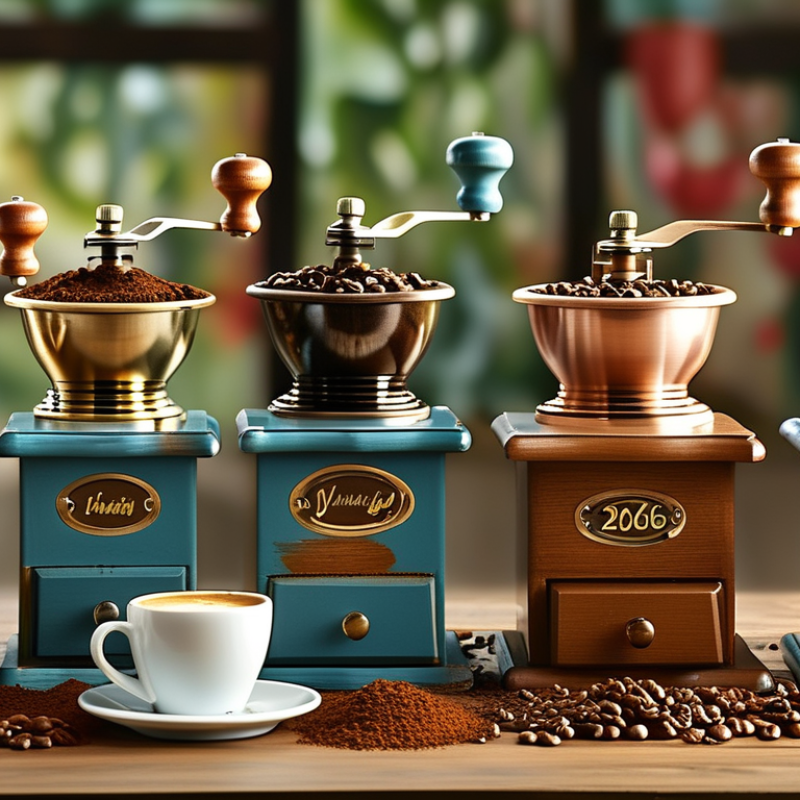
Understanding Conical Burr Grinders and Their Benefits
Conical burr grinders offer an edge in coffee preparation. These devices crush beans between two revolving surfaces rather than chopping them. This method ensures a consistent grind size, which is critical for brewing. According to the Specialty Coffee Association, uniform particle size can improve flavor extraction, enhancing the overall taste.
Conical burr grinders are praised for their ability to preserve oils and aromas. A study by the Coffee Research Institute found that a consistent grind can increase the surface area of the coffee, promoting better infusion and richer flavor profiles. However, not all grinders are created equal. Some may produce fine dust along with the larger particles, potentially leading to bitter tastes.
Consumers should also be aware of build quality. Cheaper models often overheat, affecting the delicate flavors. A report from the National Coffee Association highlights that heat can significantly diminish aroma, a crucial factor in enjoying quality coffee. Therefore, when choosing a grinder, consider the materials used, the motor's strength, and the ease of cleaning.
Key Features to Consider When Choosing a Conical Burr Grinder
When selecting a conical burr grinder, several key features can influence your decision. The grind size range is vital. Different brews require varying sizes. A good grinder should offer fine to coarse adjustments. Consider the grind time as well. Some grinders are slower but produce more consistent grounds.
Material matters too. Stainless steel burrs are durable and offer excellent performance. Ceramic burrs are less prone to overheating and can enhance flavor. Look for a grinder with easy-to-clean components. Maintenance is essential for longevity and taste integrity.
Tips: Always check user reviews on durability. Some grinders may seem ideal but lack longevity. You might find one that fits your style. Inconsistencies in grind size can lead to uneven extraction. Test different settings to find your best match. Don’t rush the process; making coffee is personal and should be enjoyed.
The Importance of Grind Settings: Finding the Right Coarseness
When selecting a conical burr grinder, grind settings play a crucial role. The coarseness of your grind directly impacts the flavor of your coffee. A grind that is too fine can lead to bitterness, while a coarse grind may produce a weak brew. Understanding your brewing method is essential for achieving the perfect balance.
For instance, if you’re using a French press, a coarse grind is necessary. This allows for proper extraction during the longer steeping time. On the other hand, espresso demands a fine grind. This creates a rich and intense flavor. Experimenting with different settings may be necessary. You might find that your taste preferences change over time.
Choosing the right grind setting requires patience. It is common to make mistakes and feel frustrated. Test different coarseness levels to find what works best for you. Document your experiences, and reflect on the outcomes. Every cup is an opportunity to learn and refine your skills. Enjoy the journey of discovering your ideal grind.
2026 How to Choose the Best Conical Burr Grinder?
The Importance of Grind Settings: Finding the Right Coarseness
Material Matters: Comparing Burr Types and Durability
When choosing a conical burr grinder, the material of the burrs is crucial. Stainless steel and ceramic are the two most popular options. Both have their pros and cons. Stainless steel is durable and resistant to corrosion. It can handle various coffee beans without chipping. However, it may wear down quicker than ceramic, especially with heavy use.
Ceramic burrs, on the other hand, offer a different set of advantages. They maintain sharpness longer, resulting in consistent grind sizes. That said, they are more fragile. A drop could lead to cracks, impacting performance. Many coffee enthusiasts appreciate the precision ceramic burrs provide but worry about their vulnerability.
When selecting a grinder, think about your coffee habits. If you grind daily, durability matters. However, if you're more occasional, precision might take precedence. Reflect on what you prioritize in your coffee experience. Your choice will shape the flavors you enjoy. A well-considered decision can enhance your coffee journey significantly.
Maintenance Tips for Long-Lasting Performance and Flavor Preservation
Proper maintenance of your conical burr grinder is essential for preserving flavor and ensuring long-lasting performance. Regular cleaning removes oils and residue that build up over time. Use a brush designed for grinders to reach every crevice. This not only enhances taste but also prevents clogs.
Tips: Allow your grinder to cool down before cleaning. A warm grinder can cause fine particles to stick. After cleaning, make sure all parts are thoroughly dried to avoid any moisture buildup.
Check burr alignment regularly. Misalignment can lead to uneven grinding and affect flavor extraction. Adjusting the burrs may seem intimidating, but it helps maintain optimal performance. Lubricating any moving parts also helps, but be cautious about the type of lubricant used. Avoid oils that can spoil flavors.
Tips: Experiment with grind settings to find the perfect balance for your preferred brew. Always take notes on what works. Over time, you may notice changes in taste, prompting further adjustments.