Top 5 Tips for Choosing a Commercial Espresso Grinder?
Choosing the right Commercial Espresso Grinder is crucial for any coffee business. An excellent grinder can significantly enhance the quality of your espresso. However, selecting one may not be straightforward. There are various models and features to consider. This is where expert advice comes into play.
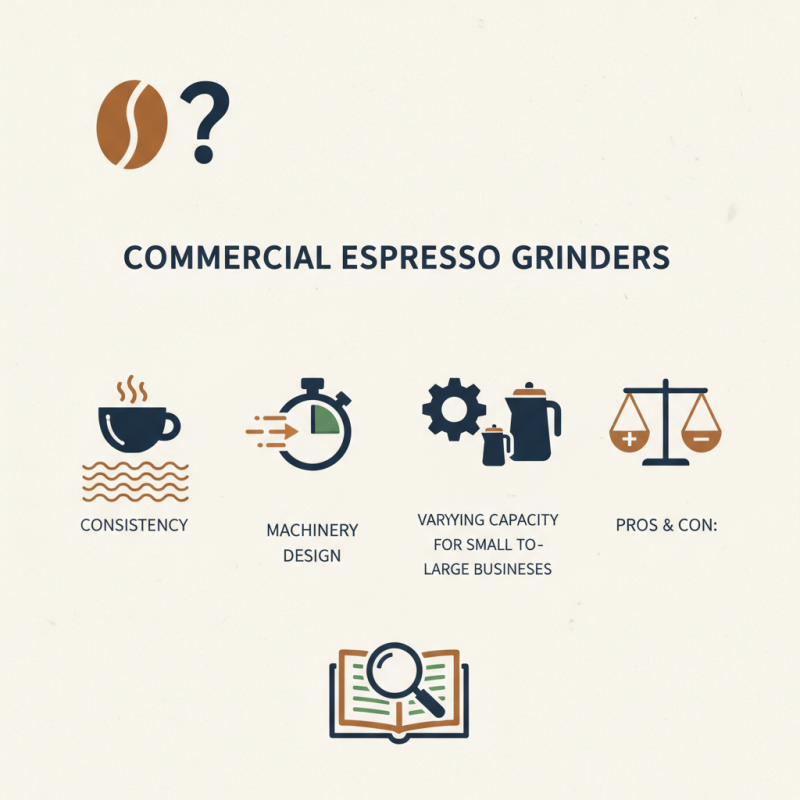
Understanding what to look for in a Commercial Espresso Grinder can save time and money. Features such as grind consistency, speed, and design are vital. An overwhelming range of choices may lead to confusion. Some grinders are suitable for small cafes; others cater to larger establishments. Assessing your specific needs is essential.
It’s also important to remember that no grinder is perfect. Some may have drawbacks, such as noise levels or size. Reflecting on the pros and cons can help you make a well-rounded decision. Ultimately, investing time in research will lead to a better choice. Your customers deserve the best coffee experience possible.
Understanding the Importance of a High-Quality Espresso Grinder
Choosing the right espresso grinder is critical for coffee quality. A high-quality grinder ensures uniform particle size. This impacts the extraction process. If the grind is uneven, some coffee may over-extract while others under-extract. The result is a bitter or sour flavor. This can frustrate both baristas and customers.
When selecting a grinder, consider grind settings. Some grinders offer many options, while others are more limited. This can affect your ability to customize each drink. Additionally, the build quality matters. A durable grinder will withstand daily use. It will perform better over time. Investing in a reliable grinder can save costs in the long run.
Maintenance is another critical aspect. Clean grinders regularly to prevent flavor contamination. Neglecting maintenance leads to inconsistent results. Reflections on these factors can help elevate your coffee service. Evaluate your current grind process and see where improvements can be made. A thoughtful approach will enhance your espresso experience.
Evaluating Different Types of Espresso Grinders for Your Business Needs
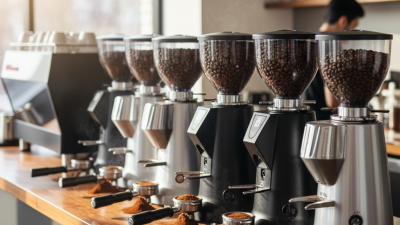
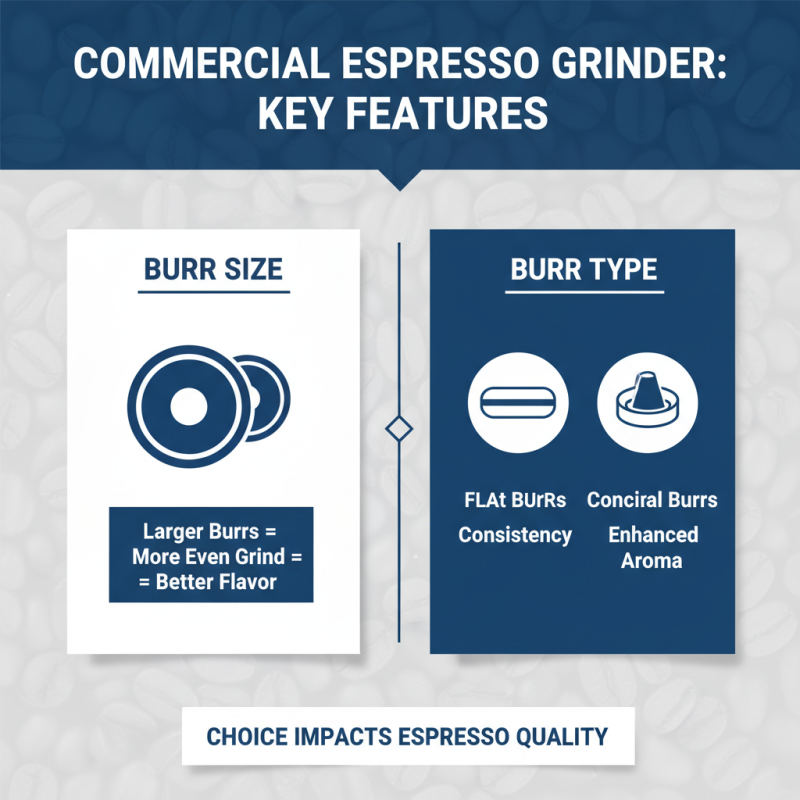
When selecting an espresso grinder for your business, it’s essential to consider different types available on the market. Each type has unique features that can impact the quality of your coffee. Burr grinders, for instance, offer uniformity in grind size, which is crucial for extraction. Blade grinders may be cheaper but can result in uneven coffee grounds that affect flavor.
Tip 1: Assess the grinder speed. High-speed grinders can create heat, which may harm the beans’ flavor. Look for grinders with slower speeds to maintain quality.
Tip 2: Think about your business volume. If you operate a busy café, a commercial grinder with a larger hopper can keep up with demand. However, if your needs are modest, a smaller grinder could suffice.
A shared concern is the maintenance required for each grinder type. Some models may need frequent calibrations, while others can function well with minimal tweaking. Understanding these nuances can save time and ensure a more reliable operation.
Top 5 Tips for Choosing a Commercial Espresso Grinder
Assessing Grinder Size and Capacity for Optimal Performance
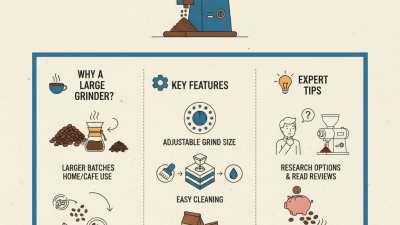
When selecting a commercial espresso grinder, assessing size and capacity is crucial for performance. A grinder's capacity can significantly influence workflow efficiency. According to industry reports, a grinder should ideally match the volume of coffee served daily. For instance, a café that serves over 200 cups daily typically requires a grinder with a capacity of at least 1.5 kg.
The size of the grinder impacts how well it can handle demands. A larger grinder might seem more powerful. However, it may take up valuable counter space. Many businesses underestimate the importance of space planning. A compact, high-capacity grinder can boost efficiency without cluttering your workspace.
Consideration of grind size is also paramount. A larger, heavy-duty grinder may grind faster but could produce inconsistent particle sizes if not properly calibrated. This inconsistency affects extraction, leading to varied flavor profiles in beverages. Properly assessing both size and capacity enables baristas to achieve the best espresso possible while maximizing operational efficiency.
Budgeting for Your Commercial Espresso Grinder Investment
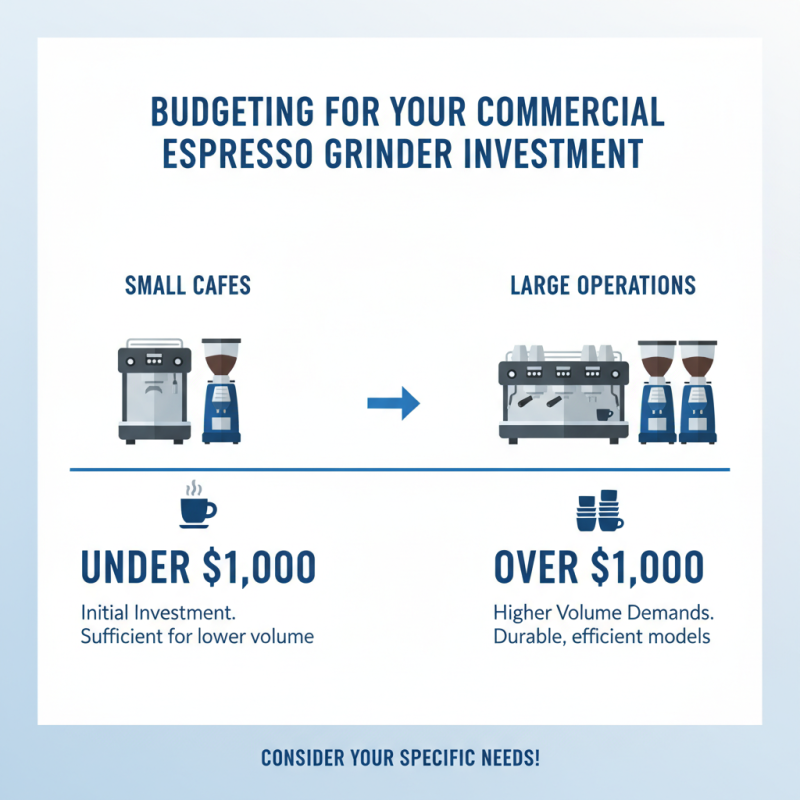
When budgeting for a commercial espresso grinder, it's essential to consider your specific needs. Quality grinders can vary significantly in price. For small cafes, a grinder under $1,000 might suffice initially. However, larger operations might require more expensive models to meet higher demands.
Keep in mind the cost of maintenance and potential repairs. A more affordable grinder might need frequent servicing, which can add up over time. Evaluate long-term value over short-term savings. It’s tempting to choose the cheaper option, but reliability is crucial in the fast-paced coffee environment.
Think about the features that matter most. Do you need programmable settings or grind size adjustments? These features can influence the price but enhance productivity. Reflect on your business goals and customer preferences. Investing wisely ensures you choose a grinder that not only fits your budget but also meets your operational demands.