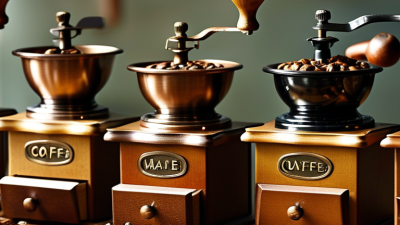
Top Commercial Grinders for Quality Coffee in China?
In the competitive landscape of coffee production, the choice of a high-quality Commercial Grinder plays a crucial role. Industry expert Dr. Sarah Lin, a well-respected figure in the coffee machinery sector, emphasizes, "A great grind makes all the difference in flavor." With the rising demand for artisanal coffee in China, selecting the right grinder has never been more important.
Many cafes and roasters face challenges in achieving consistency and quality. The right Commercial Grinder can elevate their coffee offerings significantly. However, not all grinders deliver the same results. Understanding the nuances of grind size and settings can help baristas extract the best flavor profiles from their beans.
Yet, navigating the various options available can be daunting. Some businesses invest in equipment that doesn't suit their needs fully. This can lead to frustration and wasted resources. By exploring the top commercial grinders, companies can enhance their coffee quality and satisfy discerning customers. The journey to find the perfect grinder is a valuable pursuit for any serious coffee business.
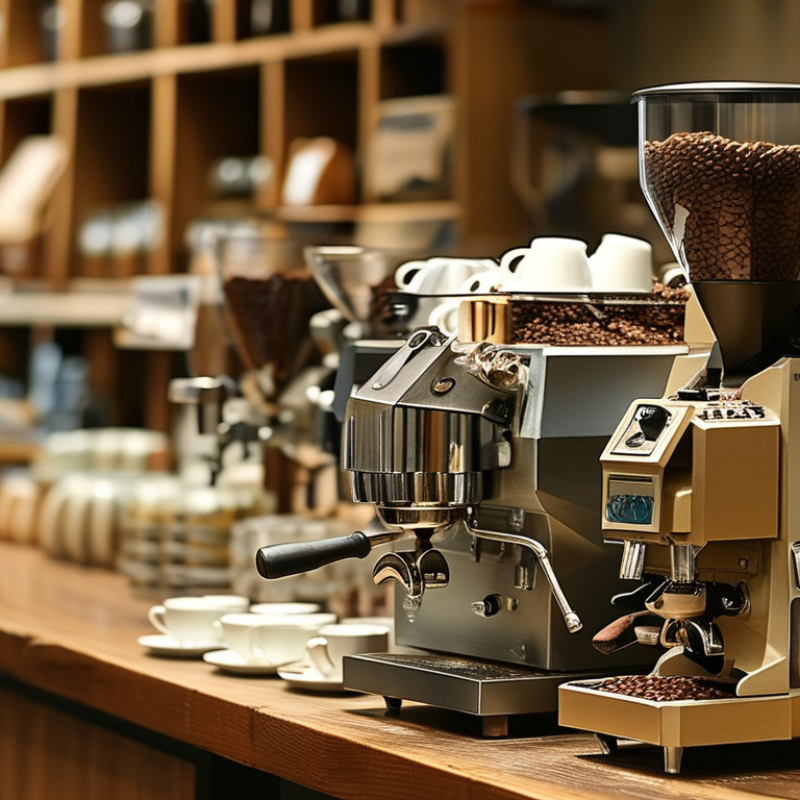
Top Commercial Grinders for Quality Coffee in China: An Overview
When it comes to selecting top commercial grinders for quality coffee in China, factors like grind consistency and durability are essential. Choosing the right grinder can elevate the coffee experience in cafes and restaurants. Quality grinders ensure that each cup achieves the desired flavor profile. Different types of beans and brewing methods require specific grind sizes for optimal extraction.
User feedback often highlights the importance of grind settings. Many models offer a range of options, allowing baristas to experiment with various techniques. However, not all grinders maintain the same level of precision. Some may wear down quickly, affecting the quality of the grind over time. Choosing equipment with robust build quality guarantees longevity and effectiveness.
Maintenance is another critical aspect. Regular cleaning and calibration are vital for consistent performance. Even the best grinders can produce uneven grinds if neglected. Moreover, some users have reported difficulties in understanding the ideal settings for their machines. This emphasizes the need for ongoing education for staff who operate the equipment. A commitment to learning can significantly enhance coffee quality.
Key Features to Consider When Choosing a Coffee Grinder
When choosing a coffee grinder, several key features come into play. The grind size is crucial. Different brewing methods require specific grinds. For instance, espresso needs a fine grind, while French press requires a coarser texture. A grinder with adjustable settings allows users to experiment with various flavors. Without proper grind size, the coffee's taste can suffer significantly.
Next, consider the grinder type. Blade grinders are often less expensive but can create uneven grinds. Burr grinders, on the other hand, deliver consistent results. This consistency is essential for extracting the full flavor from coffee beans. A grinder that lacks uniformity can leave some grounds over-extracted while others are under-extracted. This imbalance may lead to disappointing brews.
Noise levels also deserve attention. Some grinders operate quietly, while others are quite loud. If it's used in a bustling café or a quiet home setting, noise can be a factor. Lastly, ease of cleaning is paramount. Residue can impact the taste of future brews. A difficult-to-clean grinder can lead to a buildup of stale coffee. Regular maintenance encourages better tasting coffee and enhances the longevity of the appliance.
Market Trends in the Chinese Commercial Coffee Grinder Industry
The commercial coffee grinder industry in China has seen substantial growth recently. According to industry reports, the market is projected to reach an estimated value of $2 billion by 2025, influenced by the rising coffee culture among consumers. Increased café establishments and retail coffee shops are key drivers of this shift. As urban centers expand, demand for high-quality grinding equipment grows.
User preferences significantly shape this industry's landscape. A report indicated that approximately 70% of consumers prefer freshly ground coffee, pushing businesses to invest in advanced grinding technology. These machines ensure the retention of flavors and aromas, which are crucial for coffee aficionados. The focus is now on grinders that offer consistency and efficiency, but not all machines meet these expectations. Some equipment may compromise on grind quality, requiring ongoing evaluation from operators.
Moreover, sustainability trends emerge within the sector. Coffee shops are starting to prioritize eco-friendly practices, even in their choice of grinders. Yet, many are still navigating the balance between performance and environmental impact. As this industry continues to evolve, operators must remain attentive to both consumer desires and innovation in equipment design. The challenge lies in making informed decisions that align with both quality and sustainability.
Comparison of Leading Coffee Grinder Brands in China
The growth of specialty coffee culture in China has spurred a demand for high-quality commercial grinders. Selecting the right grinder can significantly affect the taste of coffee. Factors like grind consistency, motor power, and ease of use are crucial for any professional setup.
When comparing leading coffee grinder brands, consider their build quality and user reviews. A sturdy grinder is an investment for your business. Motor speed is another essential detail. Grinders that operate at lower speeds tend to preserve more flavor in the beans. Pay attention to the materials used in the construction, as durability is key in a busy café environment.
Testing different grind settings can be revealing. You may find that some grinders excel at espresso but fall short for pour-over. Make adjustments and experiment. It's important to remember that every grinder has its quirks. Learning to optimize each one takes time and practice. Engaging with other coffee enthusiasts can provide fresh insights and tips for honing your skills.
Consumer Preferences and Reviews of Commercial Coffee Grinders
When selecting commercial coffee grinders in China, consumer preferences play a significant role. Many users prioritize grind consistency, which affects extraction and flavor. A grinder's ability to produce uniform particle size is crucial for brewing quality coffee. Some reviews highlight models that excel in this area, but experiences can vary widely.
Another common preference is durability. Coffee shops require grinders that withstand daily use. However, some consumers note that even well-reviewed grinders can face reliability issues over time. It sparks a debate about whether higher prices guarantee longevity. Feedback often reflects a mix of satisfaction and concern regarding maintenance needs.
Design and functionality are also significant. Users appreciate models that are user-friendly and easy to clean. However, there seems to be a balance between aesthetics and practicality. For example, some grinders look sleek but lack essential features. Overall, while many coffee enthusiasts have strong opinions, their experiences reveal a landscape of both triumphs and challenges in selecting the right commercial grinder.
Top Commercial Grinders for Quality Coffee in China