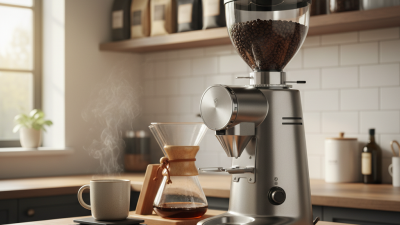
How to Choose the Best Professional Coffee Grinder for Your Needs?
Choosing the right professional coffee grinder is crucial for any coffee enthusiast or business. According to industry reports, nearly 60% of coffee consumers consider grind size to be essential for flavor extraction. A high-quality professional coffee grinder can drastically influence the taste of your brew.
With countless options in the market, the challenge lies in understanding your specific needs. For instance, espresso lovers might prioritize finer grinds, while French press users may prefer coarser textures. The vast price range of professional grinders adds another layer of complexity. Some models promise perfect consistency but can fall short, leading to a frustrating brewing experience.
It’s also important to consider durability and ease of maintenance. A grinder that is cumbersome to clean can deter daily use, ultimately affecting your coffee ritual. Investing time in research can lead to better decisions. Look for trusted brands and user reviews to ensure reliability. Your choice should reflect both your passion for coffee and your personal grinding habits.
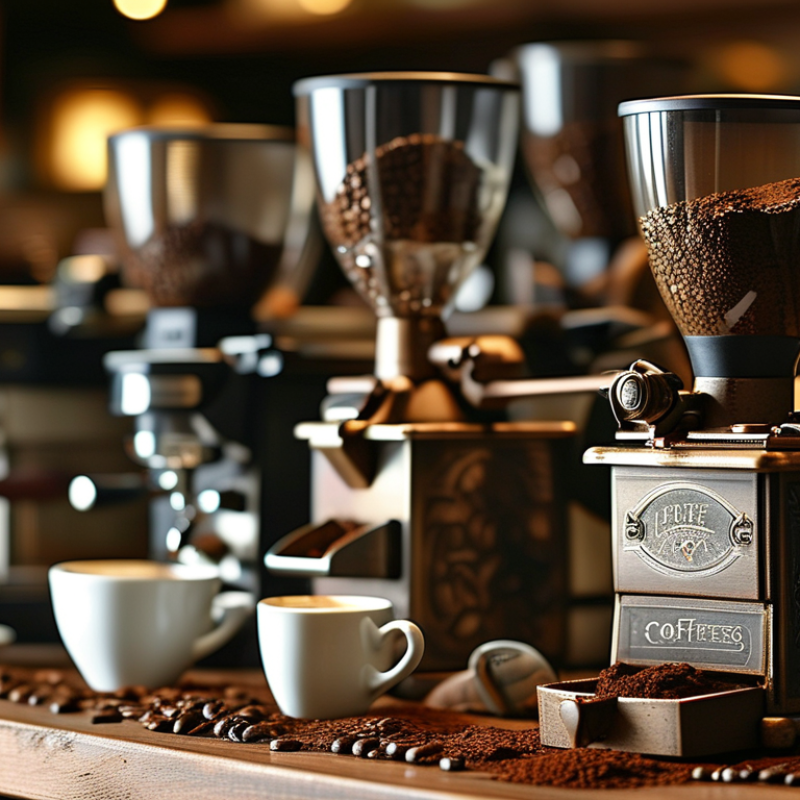
Understanding Your Coffee Grinding Needs
When choosing a professional coffee grinder, understanding your specific needs is crucial. Different brewing methods require varying grind sizes. For espresso, a fine grind is essential, while for French press, a coarser grind works best. Assess your preferred brewing style to guide your choice of grinder.
Tips: Know the difference between blade and burr grinders. Burr grinders offer more consistency in grind size. They’re often the better option for serious coffee enthusiasts. A blade grinder might suffice for casual use, but the inconsistency can affect flavor.
Next, consider the volume of coffee you brew. If you frequently make large amounts, look for a grinder that can handle higher capacity. Smaller grinders may require multiple batches, which can be time-consuming. Also, keep in mind the noise level. Some grinders can be quite loud, which may be a concern if you often brew early in the morning.
Ultimately, it’s about finding a balance between your preferences and practical considerations. Reflect on your habits and the quality of coffee you wish to achieve. The right grinder can significantly enhance your coffee experience.
How to Choose the Best Professional Coffee Grinder for Your Needs?
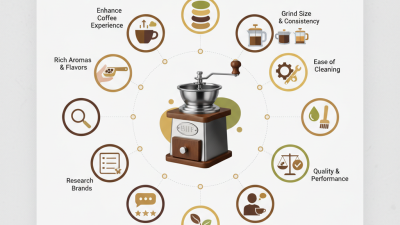
This chart illustrates the importance level of various factors to consider when choosing a professional coffee grinder. Brew quality is paramount, followed by grind consistency, speed, ease of use, and price.
Types of Professional Coffee Grinders Available
When selecting a professional coffee grinder, understanding the various types is crucial. There are two main categories:
blade grinders
and
burr grinders.
Blade grinders chop coffee beans unevenly, leading to inconsistent grind sizes. This inconsistency can negatively impact
flavor extraction. In fact, studies indicate that uniform grind size is essential
for optimal brewing results.
Burr grinders are more popular among professionals. They use two revolving abrasive surfaces to create a consistent grind.
This means
better flavor extraction
and a superior cup of coffee. Those in the industry often recommend grinders with
steel burrs for their durability and precision. Reports suggest that a
medium grind is suitable for many brewing methods, while
espresso demands a finer grind.
Additionally, the grind size can significantly affect brewing time. For instance, a
coarse grind may require a longer brewing duration, while a
fine grind reduces this time. However, many users overlook this aspect,
resulting in
subpar coffee. Budget is another factor to consider.
High-end grinders can cost over $1,000, yet
entry-level models are available for under $100. Choosing the right type ultimately
hinges on personal preference and intended usage, making informed decisions essential in this complex landscape.
Key Features to Consider When Choosing a Grinder
When selecting a professional coffee grinder, several key features should guide your decision. Start with the grind consistency, which significantly influences flavor extraction. Uniform grind size ensures that water extracts the optimal flavor from coffee beans. Look for grinders that can produce a range of grind sizes, from coarse to fine. Each brewing method requires a different consistency, so versatility is crucial.
Another important aspect is the grinder type. Burr grinders are generally preferred over blade grinders. They provide a more precise grind, which is essential for achieving balanced flavors. While blade grinders can be cheaper, they often produce uneven grinds that can lead to bitter or sour coffee. Consider the material of the burrs; steel and ceramic each have their pros and cons. Steel burrs are durable but can heat up, affecting the beans.
Moreover, think about the grind speed and noise level. Fast grinders can be efficient, but they may compromise consistency. Some models operate quietly, which is vital for commercial settings or home brewing in quiet hours. Durability also matters; a robust build will withstand frequent use. Be mindful of maintenance needs too. Cleaning grinders regularly ensures optimal performance and a longer lifespan. This aspect is often overlooked but is crucial for consistent coffee quality.
Assessing Your Budget for a Coffee Grinder
When selecting a professional coffee grinder, budget is a crucial factor. A well-defined budget helps narrow down options and prevent unnecessary spending. Prices can vary significantly based on features, capacity, and grind consistency. Understand that investing more may yield better results in the long run.
Tips: Assess your coffee consumption habits. If you’re a casual drinker, a mid-range grinder might suffice. But if you're a daily enthusiast, consider premium models for better performance. Research common problems with grinders in your price range. Look for reviews that discuss reliability and ease of use.
While it’s tempting to opt for the cheapest option, remember that lower quality often means limited functionality. A grinder that doesn't suit your needs can lead to frustration. Don’t overlook the importance of durability. A sturdy grinder may cost more but can save money over time. Regular maintenance is also key for longevity. Be mindful of your priorities and future coffee plans before making a decision.
How to Choose the Best Professional Coffee Grinder for Your Needs? - Assessing Your Budget for a Coffee Grinder
| Grinder Type |
Price Range |
Grind Settings |
Ideal Use |
Notes |
| Blade Grinder |
$20 - $50 |
1-2 settings |
Home Brewing |
Affordable but inconsistent grind |
| Burr Grinder (Manual) |
$30 - $80 |
5-10 settings |
Travel Use |
Portable and good grind consistency |
| Burr Grinder (Electric) |
$100 - $300 |
15+ settings |
Home Brewing & Specialty Coffee |
High consistency and quality |
| Commercial Grinder |
$300+ |
Variable settings |
Cafes & Restaurants |
Durable and designed for high volume |
Maintenance and Longevity of Coffee Grinders
When selecting a professional coffee grinder, maintenance plays a crucial role in ensuring longevity. Regular cleaning is essential. Professional sources indicate that
75% of grinder users neglect regular maintenance, leading to diminished performance. Grinders trap oil and coffee residue, which can compromise flavor.
To maintain optimal function, deep clean the grinder every few weeks. Disassemble it carefully, removing burrs and brushing away stuck particles. A study by the Specialty Coffee Association highlighted that
properly maintained grinders can function efficiently for up to
15 years. Neglect can significantly shorten this lifespan.
Moreover, keep the grinder in a dry, cool place. Excessive humidity affects its performance. Additionally, monitoring the grind size is vital. An incorrect setting may cause unnecessary wear. Regularly checking the alignment and burr sharpness can help prevent this. Investing time in proper upkeep not only extends the grinder's life but enhances the coffee experience significantly.