10 Essential Tips for Choosing a Professional Coffee Grinder
Choosing a Professional Coffee Grinder can significantly impact your coffee experience. According to the Specialty Coffee Association, 55% of coffee drinkers believe grind size affects flavor. A professional grinder ensures consistency and precision, crucial for brewing excellence. Without the right tools, even the finest beans can fall flat.
When selecting a grinder, consider both blade and burr options. Burr grinders provide uniformity, while blade grinders can be inconsistent. The National Coffee Association states that a good grinder can enhance aroma and taste. Up to 30% of coffee's flavor is released during grinding. Thus, investing in a quality grinder is essential.
Many people overlook maintenance as a crucial factor. A clean grinder preserves taste and longevity. Remember, not all brands offer the same quality. Do your research and read unbiased reviews. It may take time and effort, but the right choice is critical for every cup.
Understanding the Importance of a Quality Coffee Grinder
A quality coffee grinder is essential for brewing great coffee. Freshly ground beans unlock complex flavors. A good grinder captures the essence of each bean. Choosing the right one impacts your daily routine.
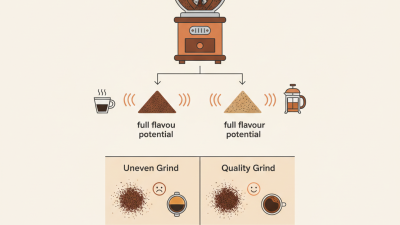
Consider what you enjoy about coffee. Is it the aroma, the smoothness, or the aftertaste? Reflect on your preferences. Not every grinder meets every need. Some grinders produce uneven grinds, which can lead to bitter or sour flavors in your cup.
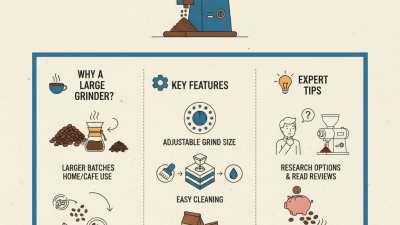
Tip: Look for a grinder with adjustable settings. This feature allows you to customize the grind size for different brewing methods. For instance, a coarse grind works well for French press, while a fine grind benefits espresso. Another consideration is the material of the burr or blade. Steel or ceramic options can greatly affect durability and performance.
Lastly, think about ease of cleaning. Coffee oils can build up, impacting flavor over time. Regular maintenance is crucial for consistent taste. Choose a grinder that you can easily disassemble for proper cleaning.
10 Essential Tips for Choosing a Professional Coffee Grinder - Understanding the Importance of a Quality Coffee Grinder
| Tip Number |
Tip Description |
Importance |
| 1 |
Consider the grind size options available. |
Different brewing methods require different grind sizes. |
| 2 |
Look for consistency in grind size. |
Consistent particles ensure even extraction. |
| 3 |
Check for durability and build quality. |
A durable grinder lasts longer and performs better. |
| 4 |
Assess the motor power. |
A powerful motor can handle different types of coffee beans. |
| 5 |
Consider the grind retention rate. |
Low retention means fresher coffee flavor. |
| 6 |
Look for ease of cleaning. |
A clean grinder prevents flavor contamination. |
| 7 |
Check reviews and comparisons. |
User feedback provides insight into real-world performance. |
| 8 |
Evaluate the price vs. value. |
Ensure you get good quality for your investment. |
| 9 |
Consider the size and design. |
A suitable size fits in your kitchen without clashing with decor. |
| 10 |
Look for warranty or guarantee. |
A good warranty assures quality and service. |
Types of Coffee Grinders: Burr vs. Blade
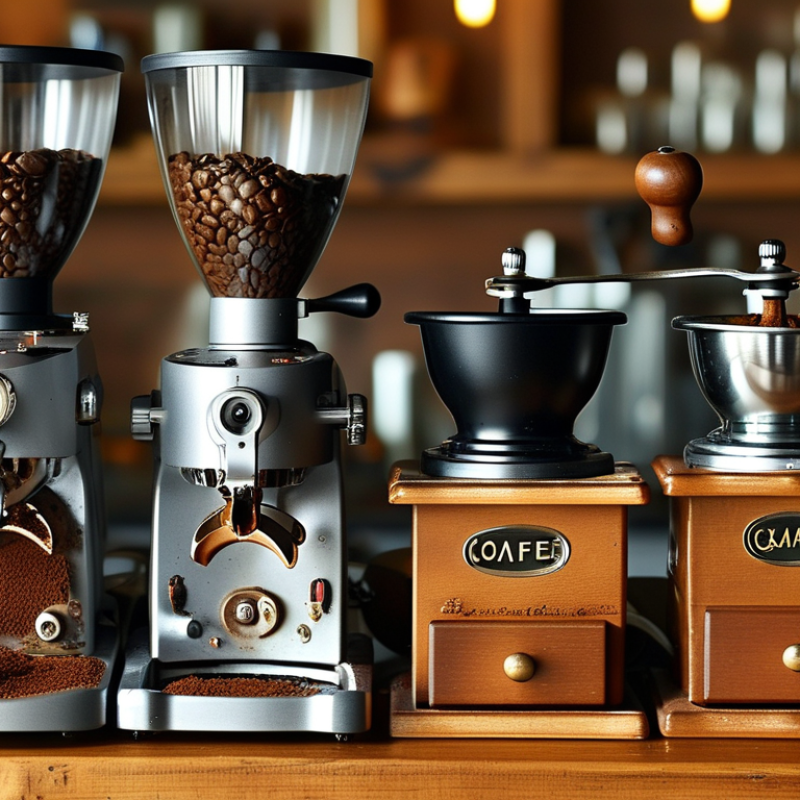
When selecting a coffee grinder, understanding the difference between burr and blade grinders is essential. Burr grinders provide consistent grind size, ensuring an even extraction. This is vital for brewing methods like espresso, where precision matters. Blade grinders, although popular, can produce uneven grinds, leading to a less desirable flavor profile. For those seeking quality, burr grinders are often the better choice.
Tip: Consider the range of grind settings available. A versatile grinder can cater to various brewing methods, from French press to espresso. Don’t settle for one size fits all. Experimenting with different settings can enhance your coffee experience significantly.
Another aspect to consider is the noise level. Some grinders can be disturbingly loud, affecting your morning routine. If you prefer a peaceful atmosphere, seek quieter models. Additionally, think about the grinder’s size. A compact option may fit your kitchen better, while larger models can offer more features but take up space. Reflect on your priorities—each choice comes with trade-offs.
Key Features to Look for in a Professional Coffee Grinder
When selecting a professional coffee grinder, key features significantly impact your choice. One of the most crucial aspects is the grinder's burr type. Flat burrs provide a uniform grind but can be pricier. Conical burrs are often more forgiving, delivering quality grinds at a lower cost. Each type has its pros and cons, so understanding your brewing method is essential.
Grind size adjustments are also critical. A good grinder should offer a range of settings. This versatility allows you to switch between espresso and French press easily. A stepless grind adjustment might provide the precision you need, while stepped settings may suffice for casual users. Moreover, consider the grinder's capacity. If you make coffee for multiple people, a larger hopper is necessary.
Don't overlook the build quality. A sturdy construction often signals longevity. However, some grinders may overheat during extended use. Researching user reviews is an excellent way to gather real-world insights. Remember, even highly-rated products may have drawbacks, like noise or size. Addressing these issues can enhance your overall coffee grinding experience.
The Impact of Grind Size on Coffee Flavor
Selecting the right grind size is crucial in brewing coffee. Different grind sizes can profoundly influence the extraction process. For instance, a finer grind increases surface area, allowing for more flavor extraction. Yet, over-extraction can lead to bitterness. Adjusting grind size affects the duration of contact between water and coffee particles.
A 2017 study published in the Specialty Coffee Association's journal highlighted that coffee brewed from coarse grinds showcased a lighter body and pronounced acidity. In contrast, fine grinds often resulted in a fuller body and richer flavor notes. Baristas must find the balance for optimal results. Many recommend a medium grind for methods like pour-over, while espresso requires a finer texture.
Experimenting can lead to unexpected outcomes. Even slight variations in grind size can change flavor profiles dramatically. It's essential to reflect on your brewing method and desired taste. Over time, the grinder's maintenance and type also play a role in consistency. Choosing a grinder that allows for precise adjustments is a step toward achieving your perfect cup. Your approach to grind size can transform an ordinary coffee experience into something remarkable.
Budget Considerations for Choosing a Coffee Grinder
When considering a coffee grinder, budget is a key factor. Prices can vary widely. Some grinders are very affordable, while others may seem excessively expensive. A good rule of thumb is to find a balance between cost and quality. Spending a bit more can often yield better results in terms of grind consistency and durability.
Evaluate your brewing methods. If you prefer espresso, a more precise grinder is essential. For basic home brewing, a standard grinder may suffice. Reflect on how often you'll use the grinder. Investing in a higher-quality grinder can pay off over time, especially for daily users. However, if coffee is an occasional treat, a budget option might be more sensible.
Be aware of added costs. Some grinders require extra accessories or maintenance. These are often overlooked in the initial purchase decision. Consider the long-term value of your choice. A reliable grinder can make a significant difference in your coffee experience. Remember, a higher price does not always guarantee the best grinder. It’s important to match your choice with your personal needs and usage.